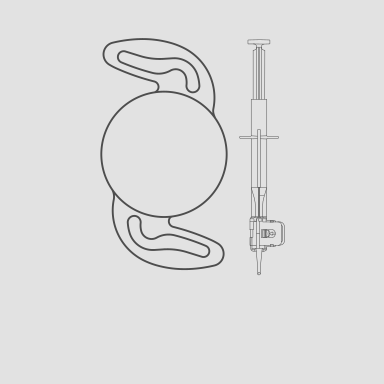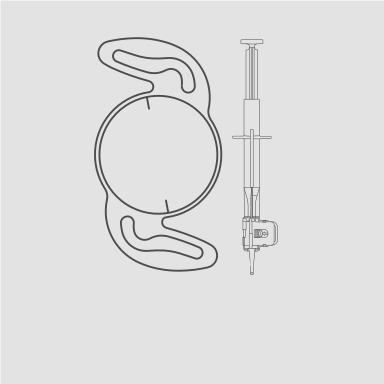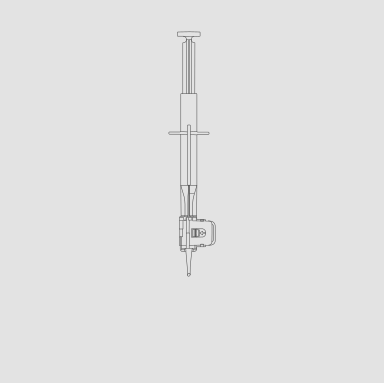



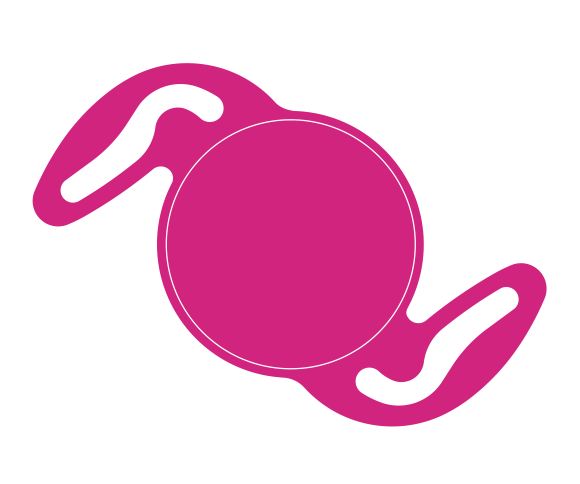
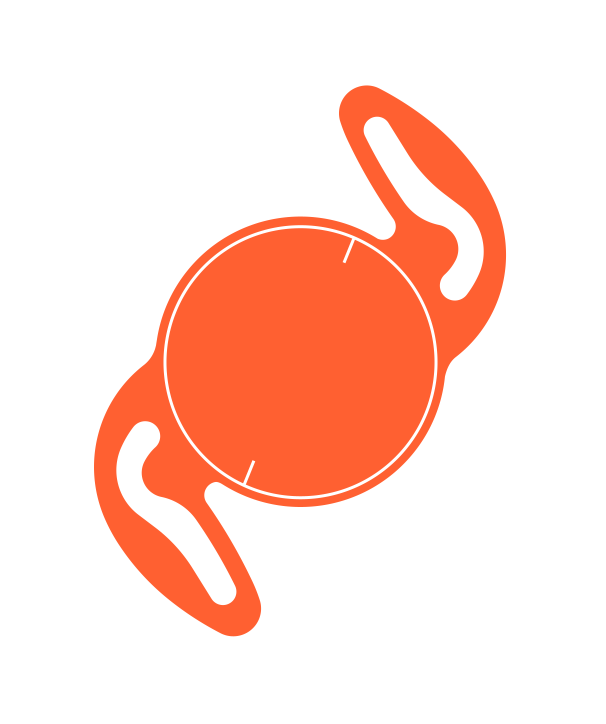
What is RayOne EMV?
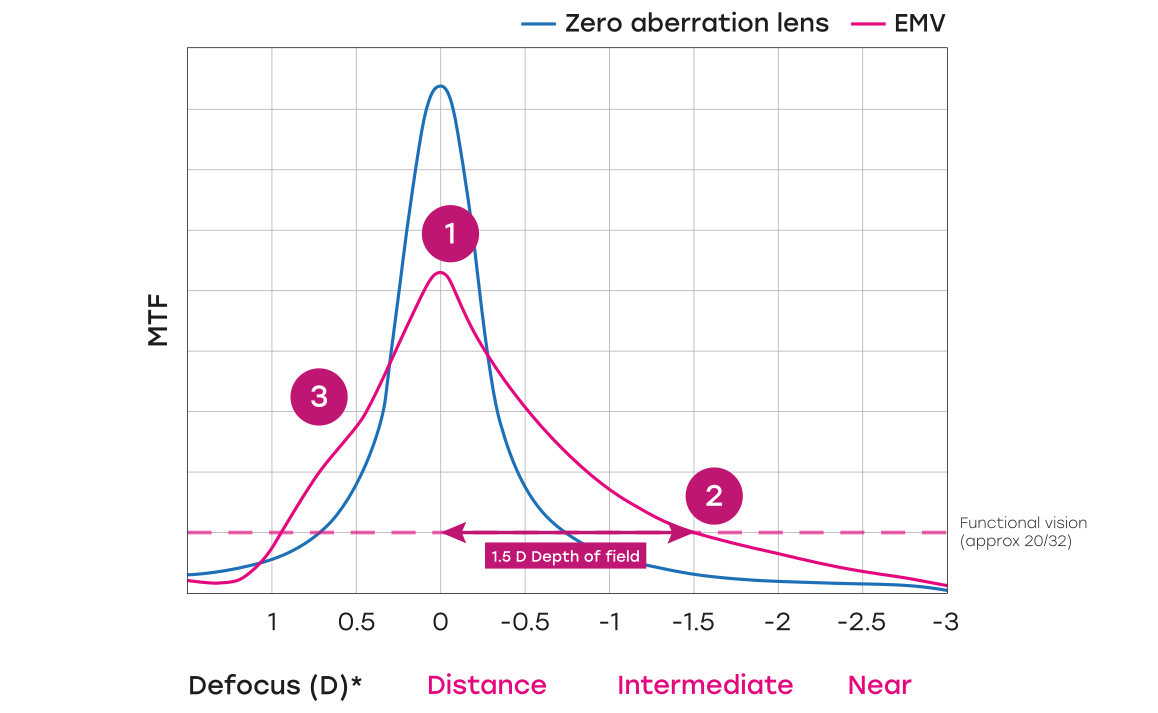
An increased range of focus IOL delivering up to 1.5 D of high quality vision.
Increased range of focus
Up to 1.5 D1,4,6 with an emmetropic target.
High Quality Vision
Truly non-diffractive IOL with monofocal levels of contrast sensitivity1, dysphotopsia2,5 and high levels of patient satisfaction.3
Enhanced Monovision
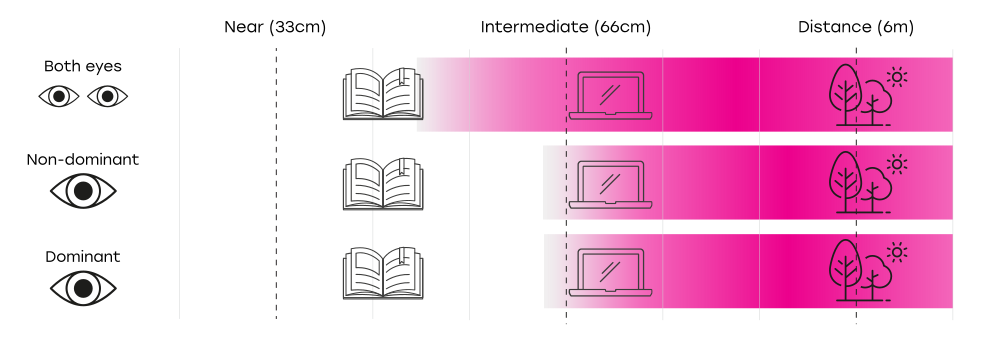
Unique positive spherical aberration design provides a smoother transition between distance and near eyes.2,4
Now available on the rotationally stable
RayOne toric platform
1.83° mean IOL rotation 3 to 6 months after surgery.8
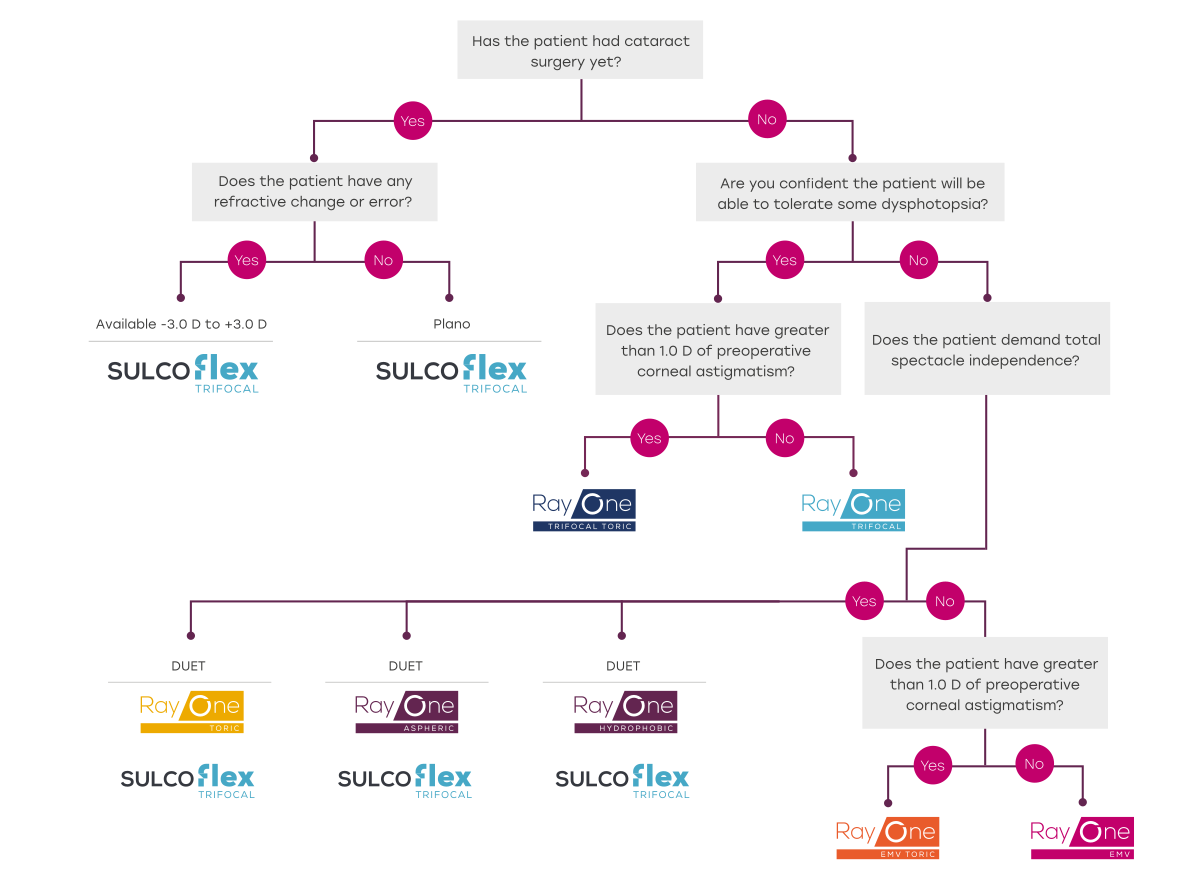
Premium IOL solutions for your patients
Discover how RayOne EMV and RayOne EMV Toric can fit into your premium IOL offering

“For many years I have worked on optimising a lens for monovision, given that it accounts for nearly 30% of all surgeries. I collaborated with Rayner on bringing this lens to market as RayOne EMV, an exciting new product for all surgeons looking to treat presbyopia reliably”
Professor Graham Barrett,
President of the Australasian Society of Cataract & Refractive Surgeons
How does RayOne EMV work?
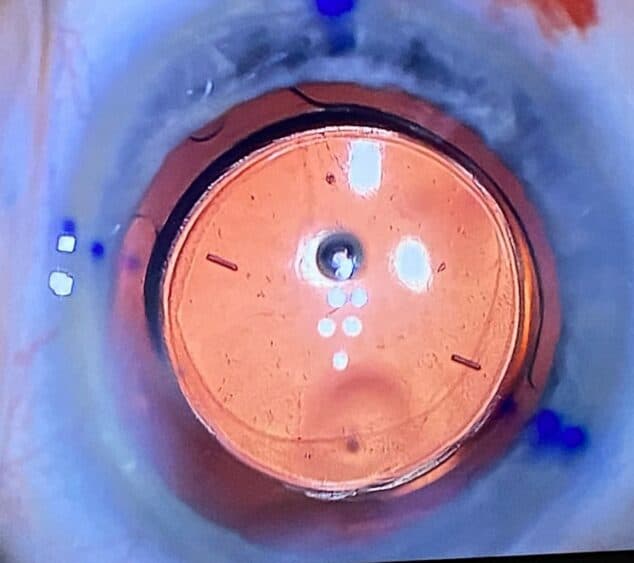
Centre region
Induced positive spherical aberration
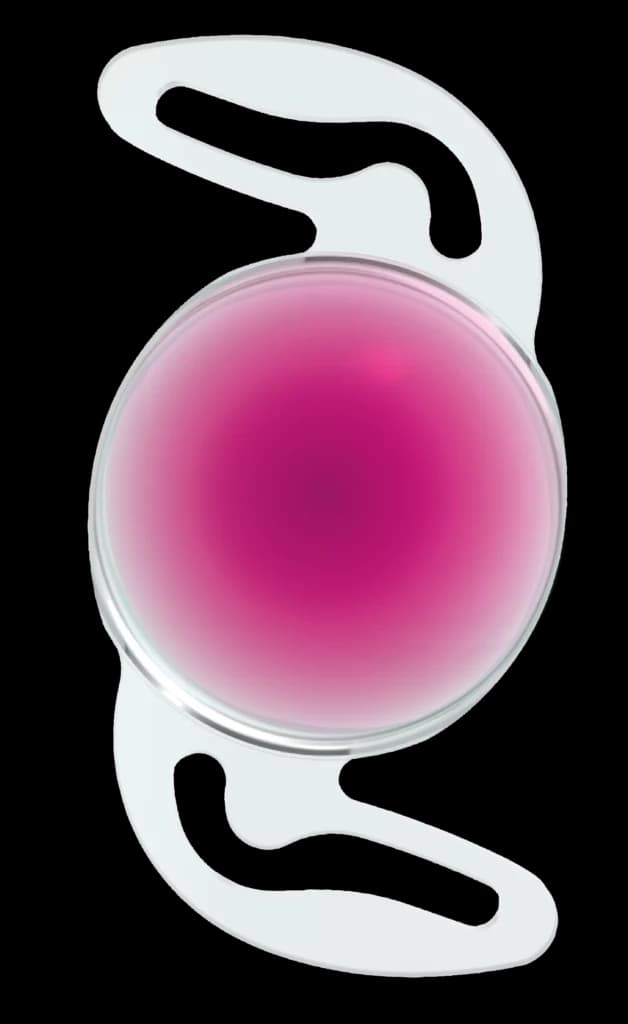
Blended edge region
Reduced longitudinal spherical aberration designed to maintain visual acuity and contrast sensitivity under mesopic conditions.
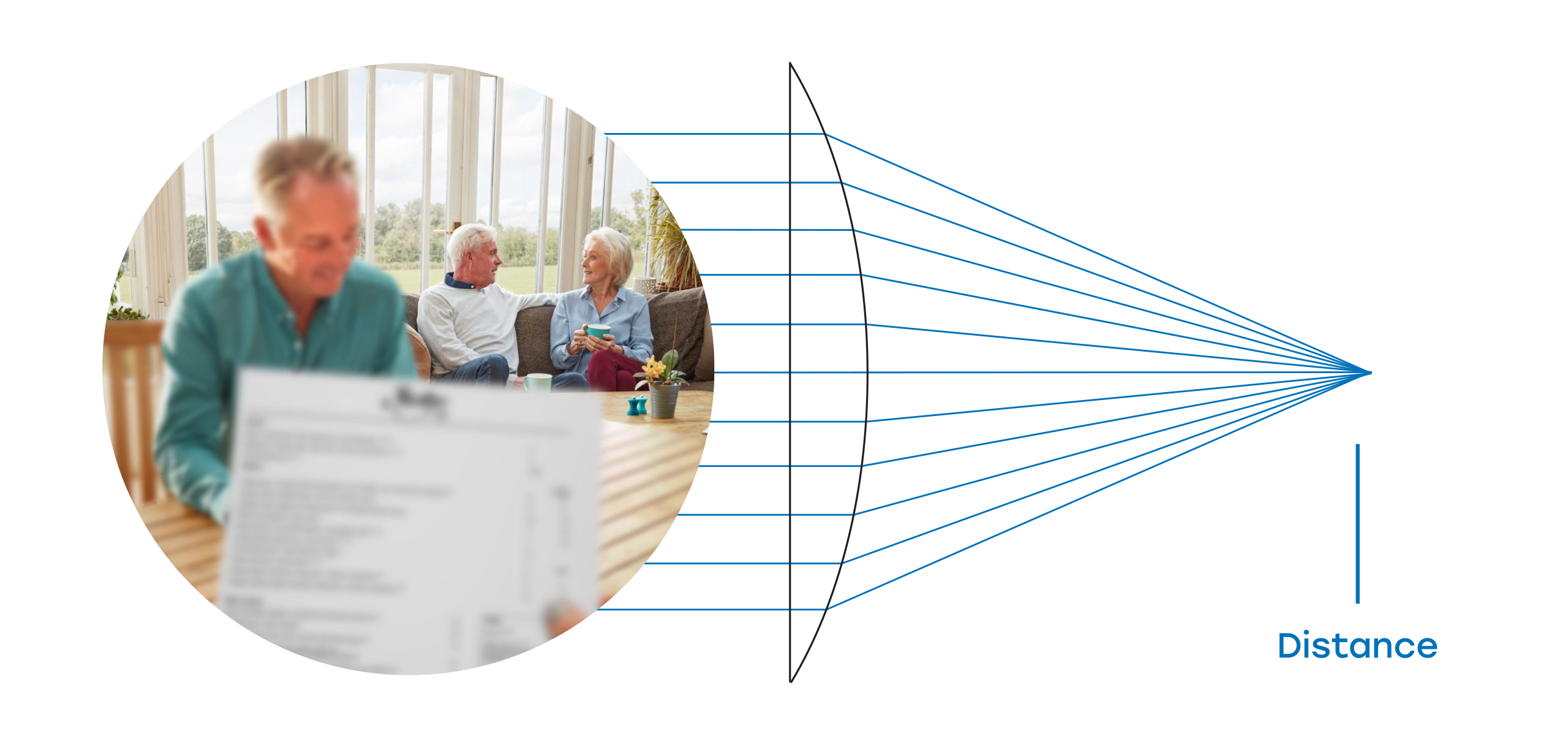
See the difference with RayOne EMV IOLs
Clinical results with RayOne EMV
Comparative outcomes with RayOne EMV
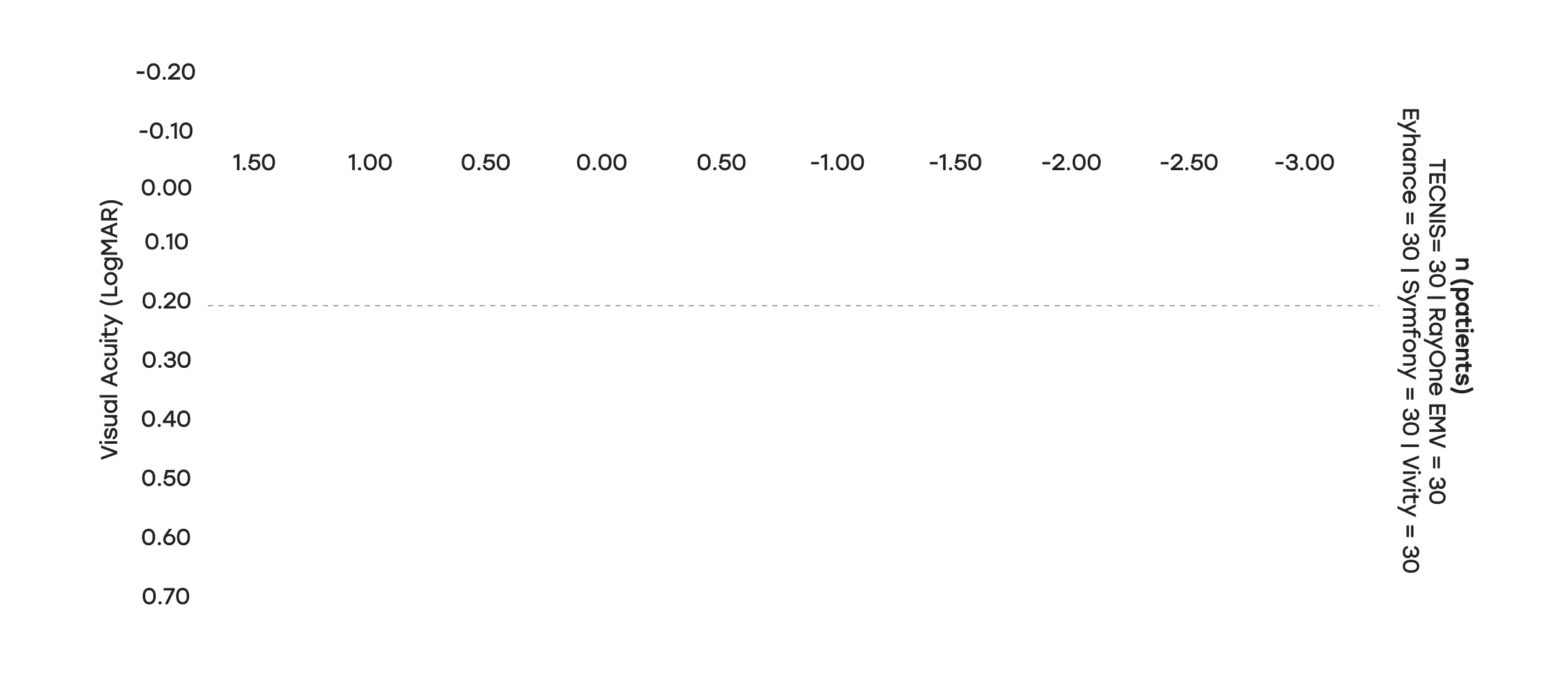
At the Hospital da Luz Lisboa in Lisbon, Professor Filomena Ribeiro and Professor Tiago Ferreira led a 150 patient double-arm, non-randomised prospective case series where RayOne EMV demonstrated excellent visual outcomes for distance and intermediate vision, and good visual acuity for near vision.1




.svg)
RayOne EMV versus TECNIS Eyhance
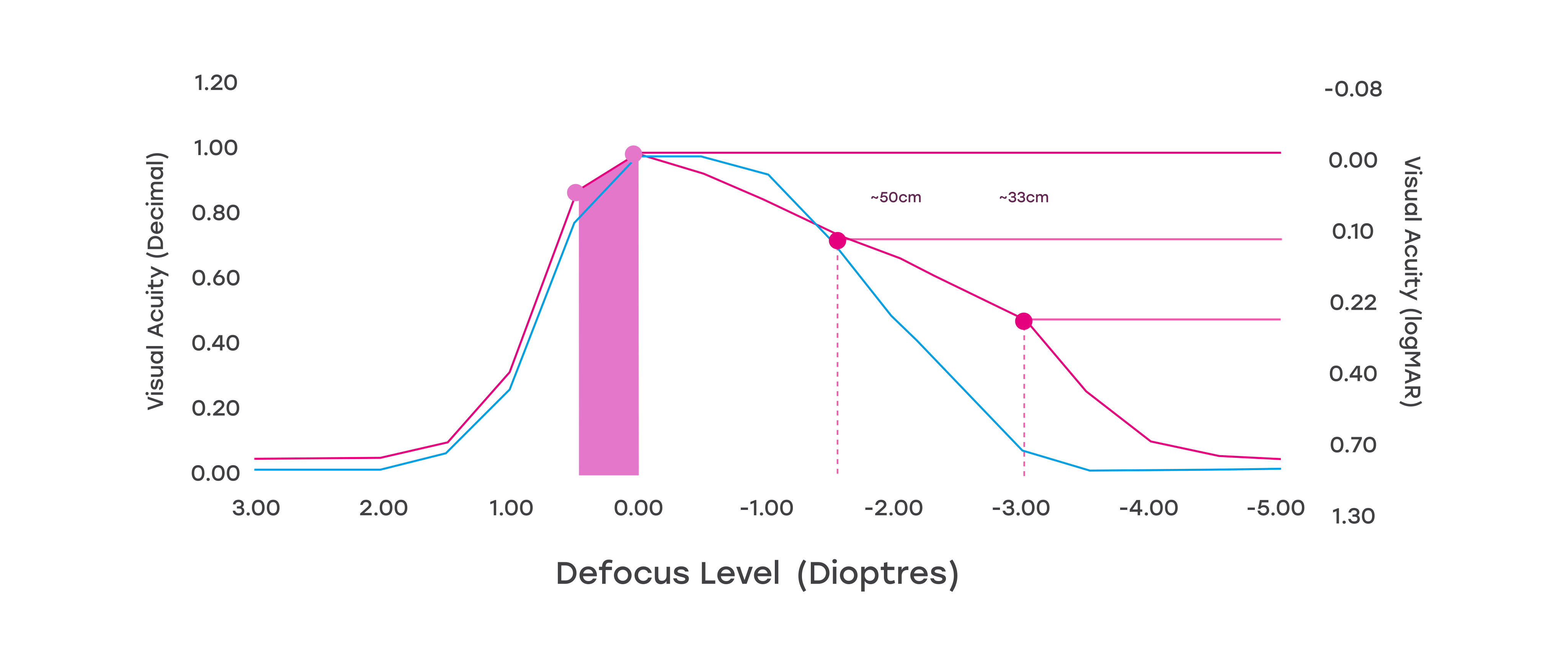
At the Hospital San Rafael in Madrid, 22 eyes of 11 patients were implanted with RayOne EMV and 70 eyes of 35 patients implanted with TECNIS Eyhance (Johnson & Johnson Vision). Bilateral emmetropia was targeted for all patients. The defocus curve reports the binocular vision obtained using the best distance correction.6
Monovision outcomes with RayOne EMV
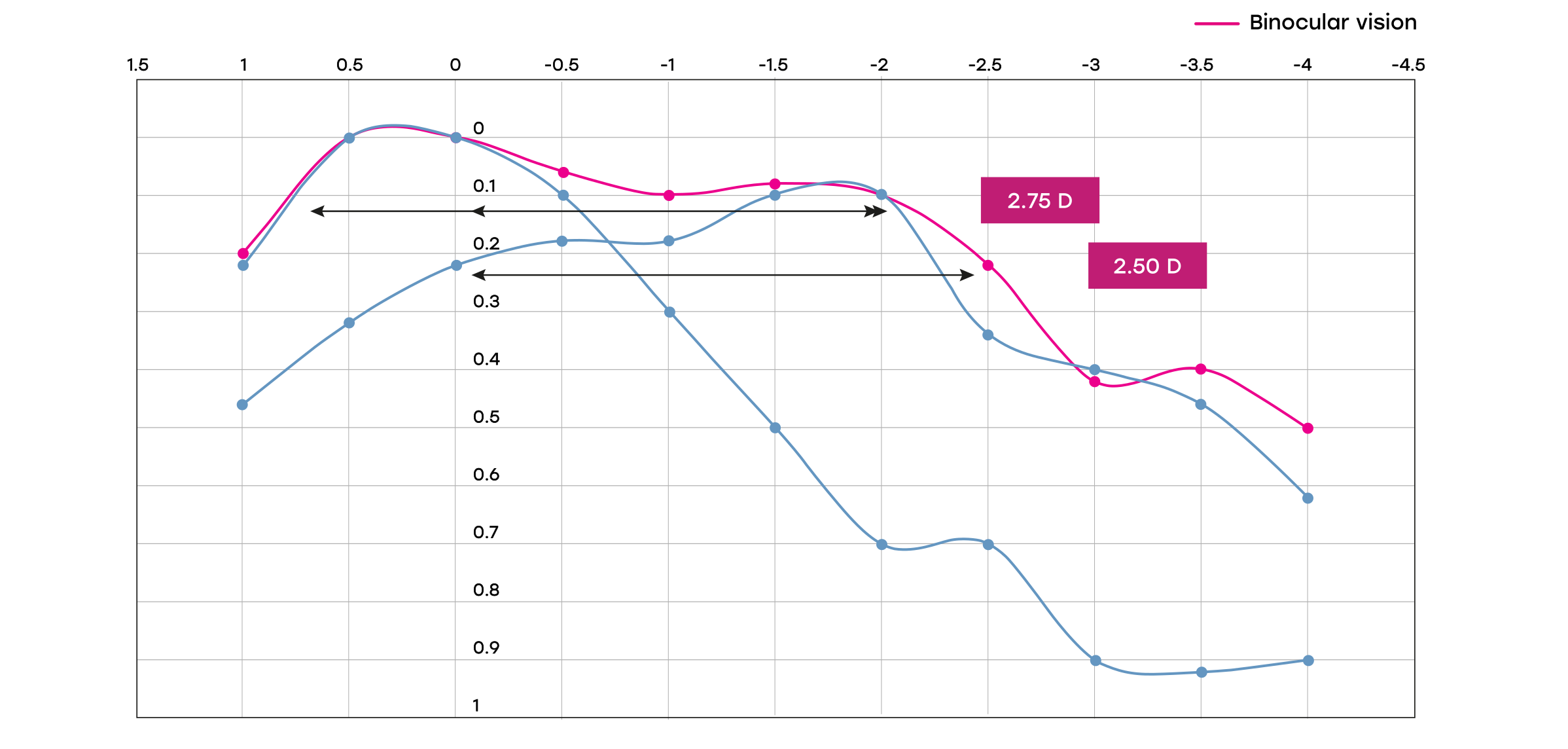
At the Tan Tock Seng Hospital in Singapore, Dr Tun Kuan Yeo demonstrated the binocular impact of positive spherical aberration by combining RayOne EMV with 1.5 D of monovision. The study showed similar performance for both photopic and mesopic conditions.
RayOne EMV Toric multicentre real world clinical results
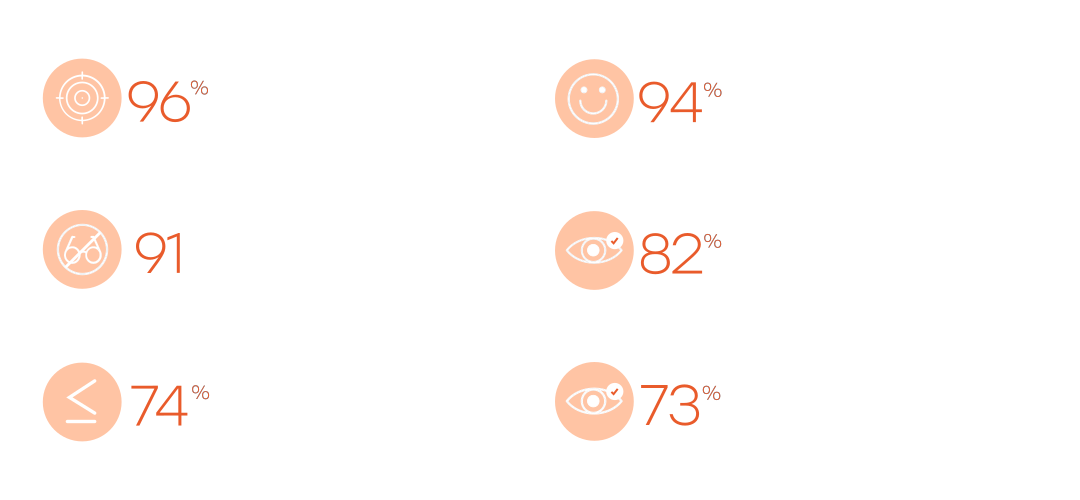
Results from a multicentre evaluation involving 16 surgeons across eight countries and 56 patients (89 eyes) show that RayOne EMV Toric offers:
 Download
“RayOne EMV offers a unique, evidence-based solution for patients seeking spectacle independence without the visual compromises associated with multifocal IOLs. The enhanced monovision approach provides excellent binocular distance vision with meaningful near and intermediate gains.”
Mr Allon Barsam
Consultant Ophthalmic Surgeon & Director at OCL Vision

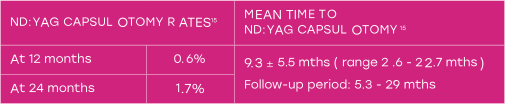
- ⟩Single piece IOL created from a homogeneous material free of microvacuoles1
- ⟩Compressible material for delivery through a 2.2 mm micro incision
- ⟩Excellent handling characteristics with controlled unfolding within the capsular bag
- ⟩Low silicone oil adherence2
- ⟩Excellent uveal biocompatibility3
- ⟩Hydrophilic acrylic material with low inflammatory response4
- ⟩11 million Rayacryl hydrophilic IOL implantations
1. Rayner. Data on File (RDTR 1937).
2. McLoone E, Mahon G, Archer D, Best R. Br J Ophthalmol. 2001; 85:543–545.
3. Tomlins PJ, Sivaraj RR, Rauz S, Denniston AK, Murray PI. J Cataract Refract Surg. 2014; 40:618–625.
4. Rayner. Data on File.
- 1. Ferreira TB. Presented at ESCRS 2022.
- 2. RayOne EMV: First Clinical Results, Rayner. Oct 2020.
- 3. Rayner RayPRO, data on file.
- 4. Rayner, data on file.
- 5. Rayner Peer2Peer webinar. May 2022.
- 6. Royo, M. RayOne EMV and TECNIS Eyhance: A Comparative Clinical Defocus Curve. Data on file. 2021.
- 7. How to Choose the Right Solution for Your Patients, CRSTE April 2021.
- 8. Bhogal-Bhamra GK, Sheppard AL, Kolli S, Wolffsohn JS. J Refract Surg. 2019;35(1):48–53.
Rayner and RayOne are proprietary marks of Rayner. All other trademarks are property of their respective owners.